
Make Your Coffee Cart Unforgettable

Today we dive into design and branding strategies for eye-catching coffee carts, exploring how visual identity, layout, materials, storytelling, and sensory cues turn a mobile counter into a memorable little destination. Expect practical frameworks, field-tested anecdotes, and engaging prompts to help you iterate, measure, and grow without losing personality or profitability.

Crafting a Visual Identity That Stops Foot Traffic
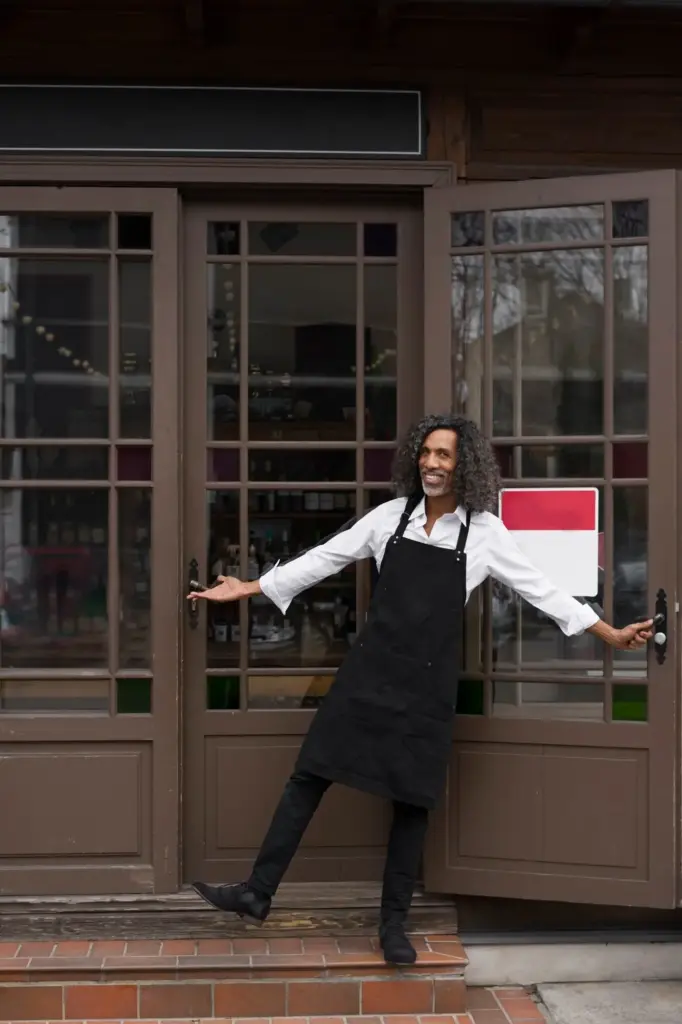
First impressions happen in seconds, especially curbside. A distinctive visual identity transforms casual glances into intentional steps toward your counter. We’ll connect color psychology, typography, and logo clarity with real-world constraints like glare, motion, and crowd density, ensuring every element reads quickly, photographs beautifully, and supports confident price positioning.

Color That Tells a Flavor Story

Choose a palette that hints at roast profiles, sweetness, and freshness while staying legible under sun, shade, and rain. Warm neutrals imply comfort; vivid accents spark curiosity. Test colors against your environment, competitors’ carts, and typical backdrops so your cart always pops without straining eyes or confusing brand memory.

Typography That Speaks Clearly From Across the Street

Pick one expressive display typeface for personality and a clean sans serif for speed. Prioritize legibility at distance and on moving passersby. Print mockups at actual sizes, then observe readability at five, ten, and twenty meters, ensuring prices, names, and key benefits scan instantly without crowding or visual noise.

Designing the Cart Layout for Flow and Speed

Beautiful wraps mean little if your queue hesitates. Smart cart architecture protects throughput, reduces barista stress, and makes lines look inviting rather than daunting. Think ergonomic counter heights, intuitive eye-lines, and staged information that answers questions exactly when curiosity peaks, turning movement into a quiet, confident choreography.

The Golden Triangle of Motion

Place grinder, espresso machine, and milk station within a tight triangle to minimize steps and micro-delays. Route supplies beneath with labeled bins. Invite customers to watch craft without blocking flow. A rhythm of reach, tamp, steam, and serve creates theater while quietly shaving seconds that compound into shorter lines.

Queue Psychology and Signage Timing

Mount a large, simple menu at the line’s origin, then a smaller, detailed panel near the order point. Reinforce with a cup-lid display highlighting sizes and specials. This layered approach prevents decision pileups at the window, while subtle arrows or floor decals guide curious newcomers without awkward, apologetic detours.

Windows, Canopies, and Sightlines

Use a serving window height that meets eye level for most visitors, framed by a canopy edge that reduces glare on signage. Keep the barista’s face visible to foster trust. Angled mirrors can expand perceived space, while under-counter lighting creates gentle cues that point hands toward handoff zones.

Weatherproof Without Looking Industrial

Powder-coated metals, sealed woods, and marine-grade laminates resist moisture while keeping a handcrafted feel. Combine matte and gloss to catch light tastefully. Test cleaning routines on samples to avoid dulling. Choose screw heads and trim pieces that look intentional, so maintenance becomes part of the aesthetic rather than a compromise.

Textures Customers Want to Touch

Use ribbed panels, woven straps, or cork accents where customers lean, reach, or rest elbows. Tactility deepens memory and photographs well. However, keep touch surfaces food-safe and easy to sanitize. Aim for finishes that feel cozy at 7 a.m. and still read premium during late-night markets under string lights.

Modular Panels for Seasonal Refreshes

Attach brand panels with hidden rails or fasteners so you can swap colors, campaign graphics, or collaborations quickly. This keeps returning customers curious and reduces redesign costs. Build a library of parts, track wear, and plan periodic updates that align with harvest stories, holidays, or neighborhood festivities.

Sensory Branding: Aroma, Sound, and Light

Mobile coffee experiences win hearts through senses. Roasting aromas drift, cups clink, and light kisses steam. Orchestrate these cues intentionally so your cart becomes a beacon before people even see it. Done right, sensory layers imprint belonging, strengthening word-of-mouth and willingness to walk the extra half block.

Aroma as Your Silent Billboard

Grind beans in modest cycles facing foot traffic to let fragrance travel outward. Avoid overpowering ambient scents like strong cleaners during peak times. Consider a small wind baffle to channel aroma toward the sidewalk. People follow their noses, especially when morning commutes blur options into one warm promise.

Soundscapes That Invite, Not Overwhelm

Craft a playlist with gentle dynamics, avoiding heavy bass that bleeds into neighboring vendors. Let the hiss of steam and tamping rhythm be part of the ambiance. Portable speakers angled downward reduce spill. Ask regulars for song suggestions to build community and subtly stretch dwell time for upsell opportunities.

Menu Design and Storytelling That Sells

Menus carry your voice. They should be scannable in seconds, rich with micro-stories, and framed by honest price anchoring. Names, descriptions, and icons work together to reduce friction while making your signature drinks irresistible, leading customers from curiosity to confident orders without the awkward pause of doubt.

On-the-Go Marketing and Community Growth

A cart is a moving lighthouse, so your marketing should fit pockets, maps, and moments. Blend location-first tactics with social hooks, partnerships, and loyalty loops. Keep creative assets lightweight and repeatable, turning everyday interactions into trackable signals that guide where to park, when to pivot, and how to scale.

Testing, Metrics, and Iteration in the Wild

Street data is honest. Use it. Prototype graphics with magnetic panels, A/B test menu placements, and log throughput alongside weather, footfall, and playlist energy. Feedback loops beat assumptions, helping you refine identity and operations until your cart feels inevitable on every block it visits regularly.

Sustainable Practices That Strengthen Brand Trust

Sustainability isn’t a badge; it’s a set of daily decisions customers can see and feel. Smart waste reduction, honest sourcing, and energy-aware equipment choices make your cart not just attractive, but admirable. Transparency amplifies reputation, inviting alignment from partners, regulars, and event organizers seeking responsible vendors.

Reusables and Elegant Waste Stations

Offer sturdy, beautifully branded reusables with a simple return swap, and design tidy waste zones with clear labeling and calm colors. Keep lids, sleeves, and compostable options visibly organized. When disposal feels effortless, people participate. Cleanliness becomes part of your signature, elevating photos and the overall memory of service.

Sourcing Stories With Receipts to Match

Share origin details on a small panel or tap-to-open link showing farms, certifications, and roast dates. Verify claims with traceable documents. Customers respect candor more than perfection. When you run a limited lot, say so proudly. Honesty turns scarcity into excitement rather than disappointment, encouraging earlier visits next time.

Power and Water With Purpose

Use efficient grinders, smart kettles, and insulated tanks to reduce fuel draw. Solar trickle systems can stabilize peripherals. Display a tiny meter or infographic summarizing savings over time. Quietly, accountability builds affection, and affection keeps lines patient when a gust of wind or busy morning stretches preparation moments.

Pipavezanuzixapaxona
Privacy Overview

This website uses cookies so that we can provide you with the best user experience possible. Cookie information is stored in your browser and performs functions such as recognising you when you return to our website and helping our team to understand which sections of the website you find most interesting and useful.